Summer
Jun–Aug
Light until 22:30, swimming after work, music festivals, sailing the archipelago. Empty city in July — everyone's on semester.

Living in Gothenburg
Soulful, slightly rebellious, social to a fault. Gothenburg is Sweden's second-biggest city — but it lives like a town that happens to have an opera house, a harbour and the archipelago at its doorstep.
Gothenburgers will tell you a joke at the bus stop. Strangers help with prams on the stairs. People in this city actually like being around other people — a quiet form of rebellion in the famously reserved Nordics. There's a working-class warmth here that the rest of Sweden occasionally finds embarrassing, and we love it.
Jun–Aug
Light until 22:30, swimming after work, music festivals, sailing the archipelago. Empty city in July — everyone's on semester.
Sep–Oct
Crisp light, forest walks at Delsjön, mushroom picking. The city wakes back up: theatres, museums, new restaurants.
Nov–Feb
Dark, often grey, sometimes magical. Candles on every table, glögg, Liseberg Christmas market, sauna culture starts to make sense.
Mar–May
The city erupts when the sun returns: cafés spill onto sidewalks, Slottsskogen fills up, everyone smiles at strangers.
Yes, it rains. Roughly 150 days a year. Buy a proper rain jacket and you stop noticing — that is the trick.

By mid-December it's dark at 15:30. Swedes counter with mys — coziness as a discipline. Candles, sauna, friends at home with cinnamon buns, soft lamps everywhere.
It's the thing visitors find hardest and locals miss most when they leave.
Some of Sweden's best restaurants (sjömagasinet, Bhoga, vrå), the legendary fish market Feskekôrka, and the most serious fika culture in the country — twice a day, every day.
8,000 archipelago islands by ferry from Saltholmen. Sea-swimming at Aspen and Långedrag from May to September. Forest at Delsjön starts where the tram ends.
Way Out West, Pustervik, Pustervik, Bengans record shop, gothenburg-sound techno at Push, jazz at Nefertiti. Concerts at Scandinavium and Ullevi for the big nights.
Gothenburg has been ranked the world's most sustainable destination several years running. In practice that means electric ferries across the river, drinking water you can pour from any tap, food waste sorted in every kitchen, and a city centre being redesigned around the tram rather than the car.
It's not a campaign. It's just how things are run.
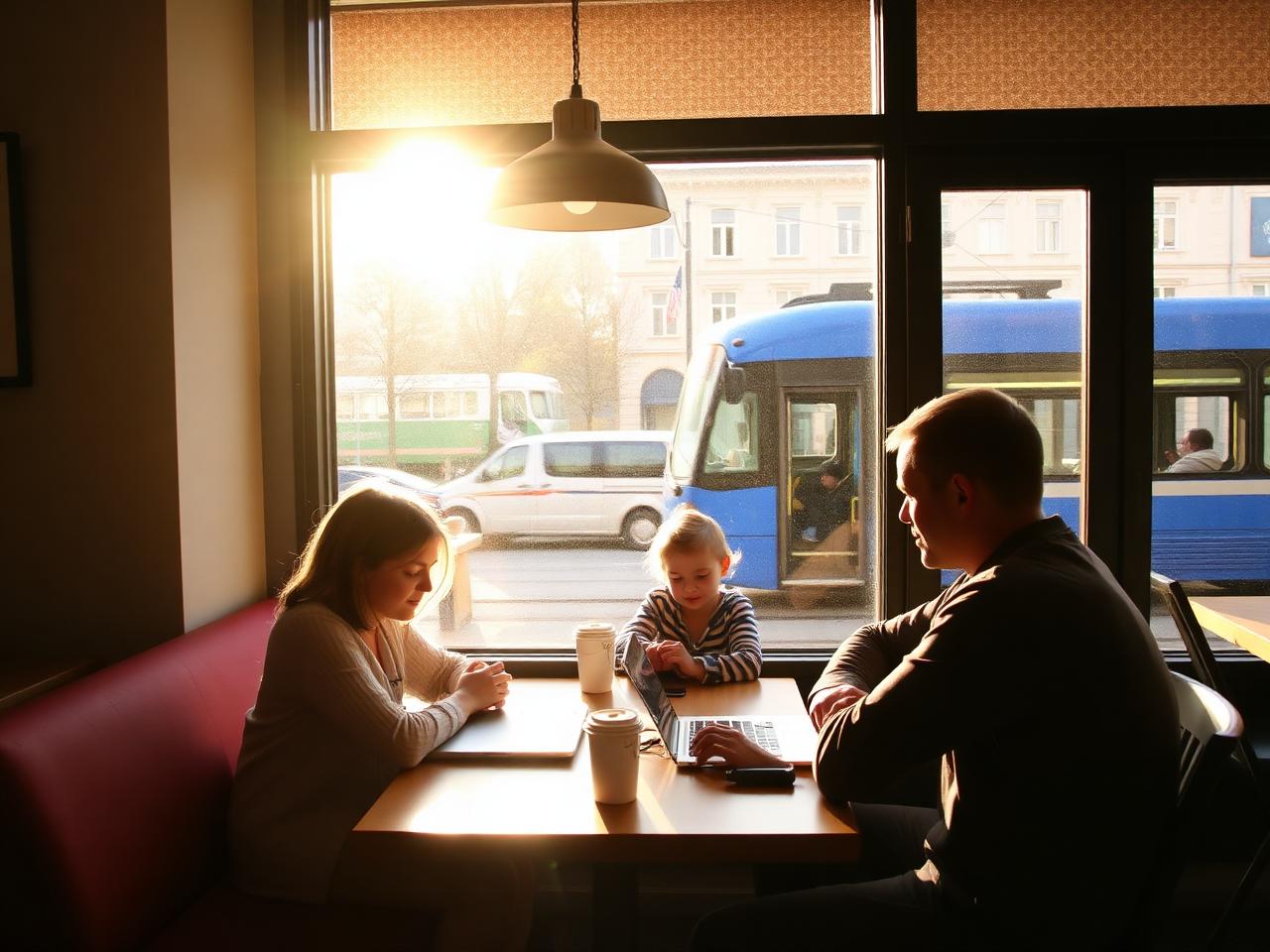
The internationals who thrive here all say the same thing: they joined something. A choir, a five-a-side league, a sailing club, a Tuesday-night language café, a neighbourhood association.
Sweden has 200,000+ föreningar — non-profit associations for any interest you can name. Membership is cheap, often a few hundred kronor a year, and it's where Swedes turn shy strangers into friends.
A short monthly roundup: housing tips, events, local favourites and honest guides.
Used by thousands of new Gothenburgers each year. One email a month — no spam, unsubscribe anytime.
